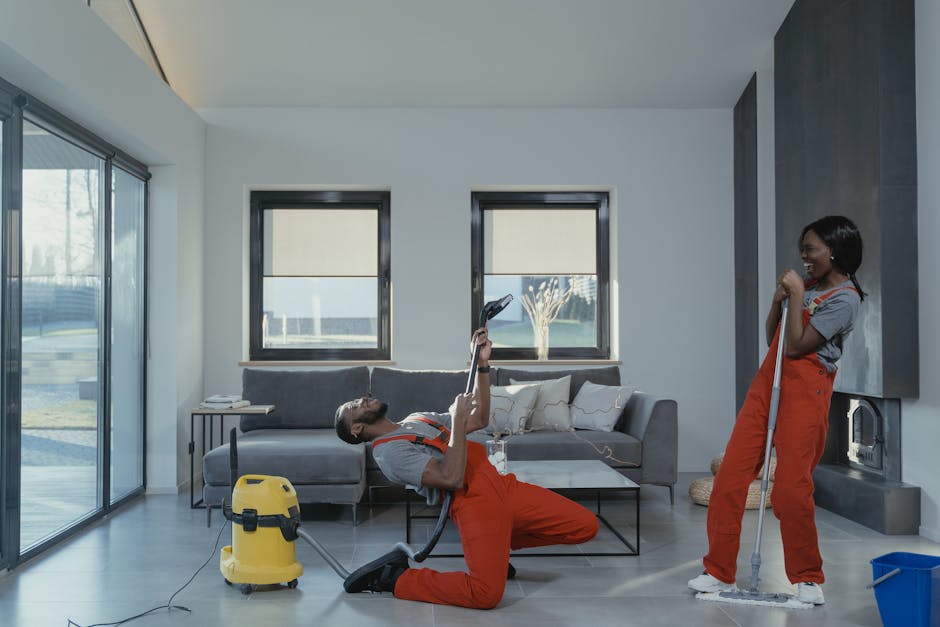
Common mistakes landlords make with Hounslow cleaning
Landlords in Hounslow rarely lose sleep over dust on a skirting board. What causes the real headaches is the avoidable stuff: cleaning left too late, the wrong service booked, or a quick wipe-down that looks fine at 9 a.m. and falls apart by midday. If you are trying to avoid deposit disputes, slow check-ins, awkward tenant complaints, or that slightly grim "this place wasn't quite ready" moment, the common mistakes landlords make with Hounslow cleaning are worth understanding properly.
This guide breaks down what tends to go wrong, why it matters, and how to get a cleaner result without wasting time or money. It is written for real rental situations, not ideal ones. Because let's face it, properties do not always turn over neatly, and cleaning jobs in London homes can be a bit more layered than they first look.
Table of Contents
- Why common mistakes with landlord cleaning matter
- How landlord cleaning works in practice
- Key benefits and practical advantages
- Who this is for and when it makes sense
- Step-by-step guidance
- Expert tips for better results
- Common mistakes to avoid
- Tools, resources and recommendations
- Law, compliance, standards and best practice
- Options and comparison table
- Case study or real-world example
- Practical checklist
- Conclusion
- Frequently asked questions
Why Common mistakes landlords make with Hounslow cleaning Matters
Cleaning is not just a cosmetic job between tenancies. For landlords, it affects presentation, move-in readiness, complaint risk, maintenance visibility, and how confidently you can hand over a property. A clean home also makes it easier to spot wear and tear, damage, mould, leaks, and forgotten items that might otherwise get missed in a rush.
In Hounslow, where rental properties range from compact flats to family houses and mixed-use blocks, the cleaning challenge varies a lot. A landlord might need a quick refresh after a short tenancy, a deeper reset after months of heavy use, or a more detailed clean after decorating or repairs. Booking the wrong level of service is one of the most common mistakes, and it can be surprisingly expensive in the long run.
There is also the trust factor. New tenants tend to notice the bathroom, kitchen, oven, carpets, windows and any lingering smells within minutes. If those first impressions feel off, the whole handover can become more awkward than it needs to be. You do not want to start a tenancy with a complaint about sticky handles, dusty vents or a fridge that smells faintly of old milk. Nobody needs that on a Friday afternoon.
For landlords managing multiple properties or a busy turnaround schedule, consistent cleaning standards also make life easier. It gives you a repeatable process. Less guesswork. Fewer "I thought that had been done" moments. And fewer late-night call-backs, which are never fun for anyone.
How Common mistakes landlords make with Hounslow cleaning Works
Most landlord cleaning problems come from one simple issue: the job is treated as a generic tidy-up instead of a property reset. That reset usually involves more than surface cleaning. It may include deep-cleaning areas that see the most use, refreshing carpets or upholstery, and paying special attention to kitchens and bathrooms.
In practice, good landlord cleaning usually starts with a short inspection. Which rooms are most used? Are there stains, odours, pet hair, limescale, grease, or post-renovation dust? Is the property empty, partly furnished, or still full of leftover items? These answers shape the cleaning plan.
For example, a one-bed flat with laminate flooring and a small galley kitchen may need a different approach from a three-bed house with carpeted stairs, a tired oven, and windows that have collected a season's worth of city grime. The work is the same in principle, but not in scale. That distinction matters more than many landlords realise.
It also helps to separate general cleaning from specialist cleaning. A standard clean may cover dusting, wiping, vacuuming, and sanitising surfaces. A deeper reset may need deep cleaning, oven cleaning, carpet cleaning, or window cleaning. When landlords blur those categories, they often end up paying twice: once for the first clean, then again to fix the gaps.
Timing matters too. Cleaning too early means dust and marks can return before the tenant arrives. Cleaning too late can delay keys, inventory checks, or contractor sign-off. A small window of time, handled badly, becomes a big operational mess. Simple but true.
Key Benefits and Practical Advantages
When landlord cleaning is planned properly, the benefits are immediate and fairly obvious once you see them in practice.
- Smoother tenant handovers: The property feels ready, not "almost ready".
- Fewer disputes: A documented, thorough clean reduces arguments over condition at move-out.
- Better presentation: Clean kitchens, bathrooms and floors make listings and viewings more convincing.
- Easier inspections: You can spot maintenance issues that dirt tends to hide.
- Longer-lasting surfaces: Regular care can reduce wear on carpets, upholstery and hard flooring.
There is also a quieter benefit: peace of mind. A well-cleaned property is simply easier to manage. If the extractor fan is clear, the oven is grease-free, and the bathroom sealant is visible rather than hidden under grime, you are in a better position to deal with the property properly.
If you need regular upkeep between tenancies or while a property is occupied, it may also help to combine a one-off reset with a maintenance plan such as regular cleaning or house cleaning. That is not about over-servicing. It is about avoiding bigger, uglier jobs later.
Who This Is For and When It Makes Sense
This topic matters to a few different landlord groups, and each one has slightly different pain points.
- Private landlords: Especially those handling their own turnovers and not using a letting agent for everything.
- Portfolio landlords: If you manage several properties, consistency matters a lot.
- Letting agents and property managers: Fast turnarounds and predictable standards are the name of the game.
- HMO landlords: Shared spaces need extra attention, and one missed corner can annoy several tenants at once.
- Airbnb and short-let hosts: Tiny delays or missed details can hurt reviews very quickly.
This is especially useful when a tenancy ends with more than ordinary wear and tear. Think pet hair embedded in a rug, greasy kitchen cabinets, or a bathroom that looks fine from the doorway but not when you lean in. A normal tidy won't cut it there. You need the right kind of reset, and sometimes a specialist service like end of tenancy cleaning or move-out cleaning makes far more sense.
If the property is about to be let again, booked for photography, or handed over after builders, then the cleaning brief needs to match that stage. A post-renovation home, for instance, may need after builders cleaning rather than a routine domestic clean. Different mess, different method. Easy to say, easy to forget.
Step-by-Step Guidance
Here is a practical way to approach landlord cleaning without making the usual avoidable errors.
- Walk the property before booking anything. Do not rely on a quick glance from the hallway. Open cupboards, check skirting boards, inspect extractor fans, and look at high-touch areas.
- Decide what needs specialist attention. Kitchens, ovens, carpets, mattresses, sofas and windows often need more than a wipe-down. Be honest about it.
- Choose the right cleaning level. A light refresh, a full deep clean, or a move-out service are not interchangeable. Match the job to the condition.
- Clear the property where possible. If there are leftover items, clutter or unwanted furniture, you may need house clearance before cleaning can do its proper work.
- Set expectations in writing. List the rooms, priority areas, and anything that should be treated carefully. This keeps everyone aligned.
- Schedule the clean at the right time. Ideally, it should happen after repairs and before final inspection or photography.
- Check the result before handover. Even a good clean deserves a quick landlord walk-through. Five minutes now can save a lot of grovelling later.
One small but useful habit: take "before" photos. Not glamorous, I know. But they help you compare the condition of the property, track recurring problems, and manage expectations more fairly if a tenant questions the outcome later.
Expert Tips for Better Results
In our experience, the best landlord cleaning outcomes usually come from a few simple habits rather than dramatic effort.
1. Focus on the forgotten zones. People notice visible floors and sinks. But they also notice the smell of bins, the dust behind radiators, the finger marks on switches, and the grime along the hob edge. Those little things do a lot of damage to first impressions.
2. Match cleaning to materials. A hard floor, wool carpet, painted wall, and upholstered chair all need different care. Using the wrong method can leave streaks, flatten fibres, or create more work. If you have fragile surfaces, ask for the right treatment rather than a one-size-fits-all approach.
3. Think about odour, not just visible dirt. A property can look fine and still smell musty, smoky, or pet-heavy. That is often where landlords get caught out. If odours are part of the issue, targeted pet stain odour removal or stain removal can make a huge difference.
4. Do not ignore soft furnishings. Curtains, sofas, rugs and mattresses absorb a lot over time. A fresh-looking room can still feel tired if these items are neglected. Services such as sofa cleaning, upholstery cleaning, rug cleaning, and mattress cleaning are often overlooked, oddly enough.
5. Keep the process repeatable. If you manage more than one property, create a checklist and use it every time. It sounds boring. It is boring. But boring is brilliant when you are trying to avoid errors.
Expert summary: Good landlord cleaning is not about doing more work for the sake of it. It is about cleaning the right things, in the right order, at the right time, so the property is genuinely ready for the next person.
Common Mistakes to Avoid
This is the heart of the issue. These are the mistakes that show up again and again in rental property cleaning, and they are often completely avoidable.
1. Booking a standard clean when the property needs a deep clean
A standard clean is useful for maintained homes. It is rarely enough after a tenancy where the property has been heavily used, partly neglected, or left with built-up grime. The result is predictable: the place looks brighter, but not actually clean enough. A landlord then has to chase additional work. Not ideal.
2. Leaving the clean until the last possible minute
This is a classic. Repairs run late, keys are not ready, and the cleaning slot becomes squeezed into a tiny window. When that happens, corners get cut, the cleaner cannot access areas properly, and the handover feels rushed. Ever noticed how rushed jobs somehow cost more? Funny that.
3. Forgetting kitchens and ovens
The kitchen is where tenants make instant judgement calls. Sticky cupboard handles, extractor grease, and a grimy oven can make the whole property feel older and less cared for than it really is. A good oven cleaning service is often worth it on its own.
4. Ignoring carpets and floors
Floors carry the mood of the whole room. If carpets are flattened or stained, or hard flooring has built-up residue, the property can feel tired even when the rest is decent. This is where steam carpet cleaning, hard floor cleaning, and standard carpet cleaning can be the difference between "acceptable" and "ready".
5. Not checking the property after the clean
Handing over without a final inspection is risky. Even good teams can miss something small, especially in properties with odd layouts, built-in storage, or awkward corners. A quick inspection lets you catch issues while they are still easy to fix.
6. Assuming every stain will vanish
Some stains are old, set-in, or caused by the wrong product being used months earlier. A landlord should always be careful not to promise an impossible finish. In those cases, a specialist approach helps, but sometimes the most honest answer is improvement rather than total removal. That is still useful.
7. Forgetting external and shared areas
Front steps, patios, windows, gutters, and communal entrances shape how a property is perceived before anyone even gets inside. For blocks and managed buildings, shared spaces can be especially important. Services such as communal area cleaning, window cleaning, patio cleaning and even gutter cleaning can help prevent that "the building looks uncared for" feeling.
8. Choosing price alone
Cheap cleaning is tempting, especially during a tight turnaround. But the lowest quote can end up being the most expensive if it leads to complaints, repeat visits, or a failed move-in. A sensible comparison looks at scope, reliability, insurance, and what is actually included. More on that below.
Tools, Resources and Recommendations
You do not need a cupboard full of products to manage landlord cleaning well. You do need a bit of structure.
- A room-by-room checklist: Helps you keep the same standard across every property.
- A simple inspection form: Useful for noting stains, damage, odours, and maintenance issues before the clean.
- Good lighting: A torch or strong handheld light can reveal dust, mould, and residue that natural light misses.
- Photo documentation: Before and after images help with record-keeping and accountability.
- Clear keys and access arrangements: Cleaning teams need to get in without drama. It sounds basic, but it causes plenty of delays.
If you want a better starting point on service selection, look at pricing and quotes to understand how scope is usually discussed, and review insurance and safety so you know what to expect from a professional provider. You can also check the company's about us page to get a feel for how they work and whether their approach sounds suitably careful.
For landlords who like to keep things tidy between tenancies, a combination of one-off cleaning and ongoing upkeep is usually more practical than waiting until a property becomes a full project. That way, you are not always starting from scratch. And honestly, starting from scratch every time is exhausting.
Law, Compliance, Standards and Best Practice
Landlords do not need to turn into compliance specialists just to arrange a clean, but there are sensible UK best-practice points to keep in mind.
First, the property should be left in a condition that is safe, usable, and honestly presentable for the next occupier. If you are dealing with a tenancy deposit dispute, records matter. Clear notes, dated photos, and a written cleaning brief can help show what was done and why.
Second, if your property involves shared entrances, stairwells, or communal hallways, you may have separate expectations to manage with residents or managing agents. Keeping those areas clean is not just a nicety. It affects access, hygiene, and the overall impression of the building. In some cases, a planned service for communal area cleaning is the most sensible route.
Third, cleaning contractors should work safely, especially where ladders, chemical products, electrical appliances, or awkward access are involved. That is why references to health and safety are not just paperwork. A provider's health and safety policy should give you confidence that the work is being handled properly.
Fourth, landlords should be careful with claims. If a stain cannot be fully removed, it is better to be clear about limitations than to oversell results. The same applies to odour removal. Good practice means setting realistic expectations before work starts.
Finally, if you are selecting a company, terms, payment process and complaint handling are worth checking. That is not admin for admin's sake. It helps prevent misunderstandings, especially when a job is being done under time pressure.
Options and Comparison Table
Here is a simple comparison of the most common approaches landlords use.
| Option | Best for | Strengths | Weaknesses |
|---|---|---|---|
| Standard clean | Lightly used, already maintained properties | Quick, affordable, suitable for routine upkeep | Often not enough after a tenancy turnover |
| Deep clean | Properties needing a full reset | Covers built-up grime, neglected areas, and detail work | More time and cost than a standard clean |
| End of tenancy cleaning | Move-outs and handovers | Designed for tenant changeovers, more thorough than routine cleaning | May still need add-ons for carpets, ovens, or upholstery |
| Specialist add-on cleaning | Problem areas such as carpets, ovens, stains, or odours | Targets the issues that most affect presentation | Best used alongside, not instead of, a general clean |
For many landlords, the best result comes from combining a general reset with selected specialist work. For example, a property might need end of tenancy cleaning, plus window cleaning and carpet cleaning. That is more efficient than trying to make one service do everything.
Case Study or Real-World Example
A landlord with a two-bedroom flat in Hounslow had a tenant move out after a fairly ordinary tenancy. Nothing dramatic. No flood, no smashed fixtures, no horror story. But the property had the kind of slow build-up that sneaks up on people: kitchen grease around cupboard edges, dust behind radiators, a marked hallway carpet, and a bathroom that looked clean until the light hit the tile grout properly.
At first, the landlord planned a basic tidy-up. A sensible idea on paper. But after walking the property carefully, they realised the oven needed more than a quick wipe, the carpets had set-in marks, and a faint pet smell lingered near the lounge. So the plan changed. The property was booked for deep cleaning, oven cleaning, steam carpet cleaning, and targeted pet stain odour removal.
The result was not magic. Real life rarely is. But the flat moved from "needs work" to "ready for viewing" without the landlord having to redo the job or deal with awkward complaints after check-in. That is the point, really. Good cleaning does not need applause. It just quietly prevents problems.
Practical Checklist
Use this checklist before you hand over a property in Hounslow.
- Walk every room, including cupboards and utility spaces.
- Check kitchen grease, oven build-up, and appliance fronts.
- Inspect bathrooms for limescale, mould spots, and soap residue.
- Look for stains, odours, and pet-related marks on carpets and soft furnishings.
- Confirm windows, sills, and mirrors are actually clean, not just "mostly fine".
- Review hard floors for residue, scuffs, and missed corners.
- Check external touchpoints such as entrances, patios, and communal areas where relevant.
- Arrange clearance for unwanted items before cleaning starts.
- Document the condition with photos and notes.
- Do a final landlord inspection before keys are handed over.
A small but useful extra step: open the windows for a few minutes after cleaning if the weather and timing allow. Fresh air can do more for a room than people expect. Especially on a damp winter morning, when the place still feels a bit closed in.
Conclusion
The common mistakes landlords make with Hounslow cleaning usually come down to three things: choosing the wrong level of clean, leaving it too late, and underestimating the little details that shape first impressions. If you get those three right, everything becomes easier. Handovers are smoother, tenants settle faster, and the property feels properly cared for rather than merely passed through.
To be fair, landlord cleaning is not glamorous work. But it is one of those practical jobs that pays back in calm. Fewer surprises. Fewer arguments. Better-looking homes. And that small, satisfying feeling when you walk into a place and think, yes, this is ready now.
If you are reviewing your next tenancy changeover, take a slow look at the property before you book anything. That single pause can save a lot of trouble later, and sometimes that is all it takes.
Get a free quote today and see how much you can save.
Frequently Asked Questions
What are the most common mistakes landlords make with cleaning between tenancies?
The biggest mistakes are booking the wrong type of clean, leaving the job too late, forgetting kitchens and carpets, and not checking the result before handover. Those gaps are what usually cause complaints.
Is a normal domestic clean enough for a rental property handover?
Sometimes, but not always. If the property has had regular upkeep and no heavy use, it may be enough. If there is built-up grime, stains, odours, or high-use areas that need attention, a deeper service is usually better.
When should a landlord arrange cleaning after a tenant moves out?
Ideally, cleaning should be arranged after the property is emptied and any repairs are finished, but before the final inspection, photography, or key release. Timing matters more than people think.
Do landlords need specialist cleaning for ovens and carpets?
Very often, yes. Ovens, carpets, mattresses, sofas and upholstery tend to hold on to dirt and smells far longer than hard surfaces. Specialist cleaning can make a noticeable difference to how the whole place feels.
What should be included in an end of tenancy clean?
A proper end of tenancy clean usually covers kitchens, bathrooms, floors, surfaces, skirting boards, fixtures, and accessible corners and edges. Depending on the property, add-ons like windows, carpets or upholstery may also be sensible.
How do landlords avoid cleaning disputes with tenants?
Keep records. Use photos, set expectations in writing, and inspect the property properly both before and after the clean. Clear communication is often the best dispute prevention tool.
Should landlords clean communal areas as part of property management?
If the property includes shared entrances, stairwells or hallways, yes, those areas should not be ignored. They affect hygiene, access, and the overall presentation of the building.
What if stains or odours do not come out completely?
That happens sometimes. A good provider will explain what is realistic and what is not. Some issues improve dramatically, while older or set-in stains may only be reduced, not fully removed.
How can landlords make cleaning more cost-effective?
Plan ahead, combine services when needed, and avoid paying for emergency rush jobs. It also helps to maintain properties between tenancies so the final clean does not become a major restoration job.
Is deep cleaning worth it for smaller flats in Hounslow?
Often, yes. A smaller property can still collect plenty of grease, dust and wear, especially in kitchens and bathrooms. The scale is smaller, but the need for detail is exactly the same.
What is the difference between move out cleaning and move in cleaning?
Move out cleaning focuses on restoring a property after use, while move in cleaning prepares a property for a new occupant. The goals overlap, but the timing and priorities can be slightly different.
How do I know if I need a one-off clean or ongoing cleaning?
If the property just needs a reset after a tenancy or project, one-off cleaning is usually enough. If you want regular upkeep to stop problems building up, ongoing cleaning is the better long-term option.