End of Tenancy Cleaning Hounslow TW3 Flats: What to Know Before You Move Out
If you are moving out of a flat in TW3, end of tenancy cleaning can feel like one more job on a very long list. Boxes everywhere, last-minute meter readings, a key handover, maybe a train to catch. And then there is the cleaning. Proper, thorough, move-out cleaning is often the difference between a smooth checkout and a frustrating dispute over the deposit.
This guide explains end of tenancy cleaning Hounslow TW3 flats what to know in plain English: what landlords and letting agents usually look for, how the process works, what to clean first, where tenants slip up, and when professional help makes sense. We will keep it practical, local, and realistic. No fluff.
For readers looking at the wider local picture too, it can help to understand the area and the property market around it. If you are settling, moving on, or thinking about your next place, you may also find this useful: is Hounslow a suitable place to settle, Hounslow real estate buy and sell guide, and the unique vibe of Hounslow.
Table of Contents
- Why end of tenancy cleaning matters in TW3 flats
- How the cleaning process works
- Key benefits and practical advantages
- Who needs this service and when it makes sense
- Step-by-step guidance for a flat checkout clean
- Expert tips for better results
- Common mistakes to avoid
- Tools, resources and recommendations
- Law, compliance, standards and best practice
- Options and comparison table
- Case study or real-world example
- Practical checklist
- Conclusion
- Frequently asked questions
Why End of Tenancy Cleaning Hounslow TW3 Flats what to know Matters
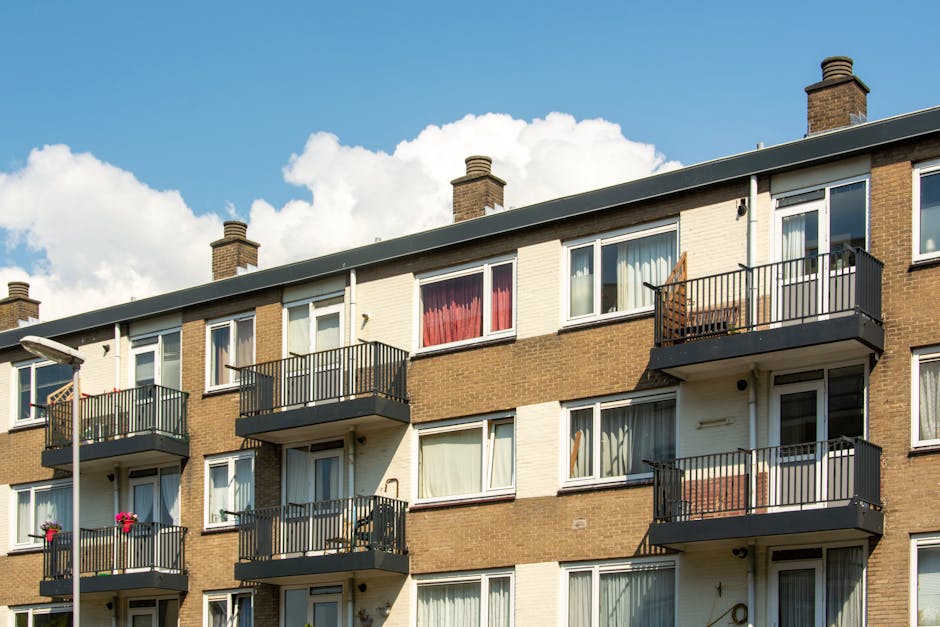
End of tenancy cleaning is not just a deeper version of your weekly tidy-up. It is a reset clean carried out when a tenant leaves, usually to help the property reach the standard expected for inspection, re-letting, or final handover. In a TW3 flat, that usually means compact spaces, shared corridors, tighter kitchen layouts, and surfaces that show wear faster than people expect. A small flat can actually be more demanding than a larger home because every cupboard, corner, skirting board, and appliance is visible. There is nowhere to hide the dust.
Why does it matter so much? Because the checkout clean is often tied to the condition the property was in when you moved in, allowing for fair wear and tear. That phrase gets used a lot, and for good reason. Normal ageing is one thing. Grease on the extractor hood, limescale in the bathroom, crumbs in a drawer, and stained carpets are another. Let's face it, most disputes do not begin with a dramatic disaster. They begin with one or two overlooked spots that become the focus of the inspection.
For landlords and agents, a consistent cleaning standard helps them turn the flat around quickly and present it properly to the next tenant. For tenants, a proper clean protects the deposit and reduces the awkward back-and-forth that nobody enjoys. It is a simple idea, but it saves a lot of stress.
In Hounslow and nearby streets, tenancy turnovers can be tight on time. People move out on a Friday, new keys are needed by Monday, and the pressure rises fast. A well-planned end of tenancy clean gives you breathing room. That breathing room matters more than people think.
How End of Tenancy Cleaning Hounslow TW3 flats what to know Works
At its core, the process is a full-property deep clean focused on the areas most commonly checked at checkout. It is more detailed than domestic cleaning and more practical than a one-off spring refresh. A proper service will usually follow a room-by-room system so nothing gets missed.
In a flat, the work often starts with the kitchen because it usually takes the longest. Grease builds up around hobs, splashbacks, cooker hoods, cupboard fronts, fridge seals, oven trays, and handles. Then comes the bathroom, where limescale, soap residue, and grout marks need careful attention. Living rooms and bedrooms follow with dust removal, skirting boards, switches, doors, wardrobes, and internal glass. Floors are cleaned last so they are not marked again.
Professional cleaners often work from top to bottom and from clean to dirty. That sounds obvious, but it is the kind of detail that saves time. Dust drops down. Water splashes. Vacuuming before wiping cabinets, for example, can mean doing the same area twice. Nobody wants that. Not you, and definitely not the cleaner.
Depending on the flat, the service may also include carpet cleaning, upholstery spot treatment, or appliance cleaning. If you are dealing with worn carpets or a sofa that has absorbed everyday life a bit too well, related services like carpet cleaning in Hounslow and upholstery cleaning Hounslow can be especially useful.
Some tenants choose to do the job themselves. Others book a cleaner and then do a light pre-clean first. Both can work. The right answer depends on time, budget, the flat's condition, and how strict the checkout expectations are. More on that in a minute.
Key Benefits and Practical Advantages
The biggest benefit is simple: a better chance of a clean checkout. But there are several other advantages that matter in real life, especially when you are moving out of a flat in a busy area like TW3.
- Lower deposit risk: A thorough clean reduces the chance that cleaning deductions become a sticking point.
- Less moving-day pressure: If the flat is cleaned before the last van load goes out, the handover is calmer.
- Better first impression: Landlords and agents notice when a property is genuinely cared for.
- Faster re-letting: A fresh, presentable flat is easier to market again, which helps everyone involved.
- Less arguing over details: A proper clean gives you a better factual position if there is a checkout report.
There is also a quieter benefit: peace of mind. You know that the oven has been done, the bathroom is not going to embarrass anyone, and the place looks finished. It is hard to put a price on that when you are already dealing with removals, utilities, forwarding post, and a dozen little admin tasks that somehow all become urgent at once.
Practical takeaway: In TW3 flats, the clean that matters most is the one that is detailed, consistent, and completed before the final rush. If you leave it until the day of the move, you are setting yourself up for avoidable stress.
If you are comparing services or planning your budget, it is sensible to look at pricing and quotes early. That gives you a clearer idea of what is included and what may be an extra.
Who This Is For and When It Makes Sense
This type of cleaning is most useful for tenants at the end of a fixed-term tenancy, people leaving a flat early, or anyone handing back keys after a break clause. It is also relevant for shared flats, furnished lets, and homes with pets. If the property has carpeted bedrooms, a used oven, or a bathroom that has seen hard water for months, the case for a professional or very careful deep clean gets stronger.
It can make sense even if the flat looks "pretty tidy" at first glance. That phrase often hides a lot. A place can be neat and still fail a checkout because the skirting boards are dusty, the inside of the microwave is stained, or the shower screen has a build-up of residue around the edges. Clean enough for daily living is not always clean enough for a final inspection.
It is also relevant for landlords preparing a flat between tenancies. And if you are managing a property, having a dependable process is useful. Some landlords use a broader maintenance plan or combine move-out cleans with ongoing support such as domestic cleaning Hounslow or house cleaning services for recurring upkeep. That is not always necessary, but it can be a smart way to reduce turnover problems.
If the property has been occupied for years, especially in older parts of Hounslow, there can be stubborn build-up in kitchens and bathrooms. In that sort of situation, a normal sweep-through just will not cut it. A more detailed approach is worth it, and if the flat has period features or older finishes, this kind of reading can also be helpful: Hounslow Central deep cleaning guide for Victorian homes.
Step-by-Step Guidance
If you want the clean to go smoothly, the best approach is methodical. Not glamorous, but effective. Here is a practical way to handle it.
- Read the inventory and checkout expectations. Compare the move-in condition report with what is there now. This is where a lot of clarity comes from.
- Declutter first. Remove everything personal before cleaning. It sounds obvious, yet bags, cables, drawer items, and random bits in cupboards cause delays all the time.
- Tackle the kitchen early. Clean the oven, hob, extractor, splashback, cupboards, sink, tiles, and appliance fronts. Kitchens usually take the most time.
- Move to the bathroom. Focus on taps, shower screens, grout lines, limescale, toilet base, bath edges, and behind the basin.
- Dust high to low. Start with tops of cupboards, shelves, light fittings, and picture rails, then move down to skirting boards and floors.
- Clean interior glass and doors. Finger marks show up quickly on doors, switches, and glass panels.
- Finish floors last. Vacuum and mop once everything else is complete, so the room stays finished.
- Do a final walk-through in daylight. Morning light is brutally honest. That is actually useful. You will spot smudges and dust you missed under artificial light.
If you are cleaning a flat yourself, work one room at a time rather than hopping around. If you are using a team, make sure the scope is clear before they arrive. For example, do they clean inside the oven? Inside cupboards? Will they treat carpets separately? Small details like this can change the result significantly.
And yes, timing matters. A clean done after the movers leave is usually more effective than trying to do it around stacked boxes. Moving around a half-empty flat with a vacuum cleaner is a bit like trying to make a cup of tea during turbulence. Possible, but messy.
Expert Tips for Better Results
Here are the details that tend to make the difference between a passable clean and a genuinely good one.
- Use the right products for the surface. Not every spray suits every finish. Harsh products can damage stainless steel, painted wood, or sealed stone.
- Leave dwell time for stubborn grime. Oven cleaner, limescale removers, and degreasers often need a few minutes to work. Wiping too soon wastes effort.
- Open windows while cleaning. Fresh air helps with drying and removes chemical smells. In a small flat, that makes a difference very quickly.
- Check hidden edges. Behind taps, under rims, along seals, and under appliances are classic miss spots.
- Photograph the result. A few clear photos before handing back the keys can be useful if any question comes up later.
- Ask about stain limitations. Some marks do not lift fully, and that is okay. Good cleaners will tell you honestly rather than promise magic.
A sensible extra step is to think about safety. If a property has been left with strong cleaning products, loose plugs, or slippery floors, it is worth being careful. You can review general precautions and service standards through health and safety policy and insurance and safety information before booking any help.
One more thing: if the flat has upholstered dining chairs, a fabric sofa, or a mattress stain from a very long winter of takeaway nights, do not ignore them. Small soft-furnishing marks can be surprisingly visible in checkout photos. A targeted clean can help more than you expect.
Common Mistakes to Avoid
Most end of tenancy problems are avoidable. The tricky part is that the mistakes are often small and boring, which makes them easy to miss.
- Leaving it until moving day. By then, you are tired, the flat is half empty, and standards slip.
- Cleaning only the obvious areas. Visible surfaces matter, but inspections often include cupboards, handles, sockets, and appliance interiors.
- Forgetting light fittings and skirting boards. These are classic inspection points.
- Assuming "tidy" means "clean". It usually does not. Tidiness and deep cleanliness are different things.
- Using the wrong cleaner on delicate surfaces. This can make a small problem much bigger.
- Not checking the tenancy agreement. Some agreements specify expectations around carpets, professional cleaning, or appliance condition. Read the wording carefully.
The sneaky one is pet hair. It gets into carpet edges, sofa seams, under radiators, and even along skirting boards. If pets have been in the flat, a standard vacuum pass may not be enough. A thorough carpet clean often helps a lot, and if you need that specifically, the service page for carpet cleaning Hounslow is worth a look.
Another common issue is poor communication with the landlord or agent. If something is already damaged, mention it early rather than letting it become a surprise at checkout. Surprises are lovely on birthdays. Not in deposit disputes.
Tools, Resources and Recommendations
You do not need an industrial toolkit to get a good result. But the right equipment makes the job cleaner, faster, and less frustrating.
| Task | Useful tools or materials | What to watch for |
|---|---|---|
| Kitchen degreasing | Microfibre cloths, degreaser, non-scratch sponge | Avoid damage on glossy or coated surfaces |
| Bathroom descaling | Limescale remover, cloth, grout brush | Test first on sensitive fittings |
| Floors and carpets | Vacuum, mop, carpet treatment if needed | Let carpets dry fully before use |
| Glass and mirrors | Glass cleaner, lint-free cloth | Check for streaks in daylight |
| Dust removal | Duster, extension tool, vacuum nozzle | Work top to bottom to avoid re-cleaning |
If you prefer to leave the heavy lifting to a team, the broader services overview page is a useful place to understand the available options. Some people only need a move-out clean. Others benefit from a combined approach that includes upholstery, carpets, or a final domestic clean.
For readers who are deciding whether to hire help or do it themselves, a balanced comparison can be reassuring. Costs, time, and stress all matter. So does the quality of your own equipment. A tired vacuum and a bottle of all-purpose spray will only get you so far, truth be told.
Law, Compliance, Standards, or Best Practice
There is no one-size-fits-all legal rule that says every flat must be cleaned in exactly the same way. What matters in practice is the tenancy agreement, the property's condition at move-in, and the standard of cleanliness expected at handover. In the UK, checkout disputes often focus on evidence: inventory notes, photos, and whether the property was left in a condition consistent with the agreement and normal wear and tear.
That means you should be careful with assumptions. A landlord cannot reasonably expect a brand-new finish on an older flat, but they can usually expect the place to be left hygienic, empty, and properly cleaned. If the agreement requires professional carpet or oven cleaning, then it is sensible to follow that instruction. If it does not, then the main aim is still the same: a good, thorough result that stands up to inspection.
Best practice is straightforward:
- Keep copies of your inventory and checkout notes.
- Take dated photos before you return the keys.
- Clarify any pre-existing damage early.
- Use safe cleaning methods and suitable products.
- Leave enough time for drying and final inspection.
If payment, scheduling, or service terms are a concern, it is also worth reviewing terms and conditions, payment and security, and complaints procedure so you know where you stand before booking.
That sort of transparency helps everyone. Cleaners know what is expected. Tenants know what is included. No crossed wires, fewer awkward phone calls later. Simple, really.
Options, Methods, or Comparison Table
There are usually three main ways to handle move-out cleaning in a TW3 flat. Each has its place.
| Option | Best for | Pros | Trade-offs |
|---|---|---|---|
| DIY clean | Very tidy flats, flexible timelines, lower budgets | Cheaper, full control, can be done room by room | Time-consuming, easy to miss inspection points, tiring at the end of a move |
| Hybrid approach | Flats that are mostly clean but need help with key areas | Balances cost and quality, good for ovens/carpets/bathrooms | Still requires your own prep and some coordination |
| Professional end of tenancy clean | Busy tenants, furnished flats, tighter checkout expectations | Structured, efficient, often more thorough, less stress | Higher upfront cost than DIY |
If you are in a hurry or the flat has a lot of build-up, professional cleaning often ends up being the better value, even if it costs more at first glance. Why? Because it reduces the risk of a second round of work, and it saves you time when your head is already elsewhere.
For people considering a longer-term relationship with cleaning support, recurring help can also make sense. That is where house cleaning or other regular services can be useful after the move, especially if you are settling into a new place and want to stay on top of things from day one.
Case Study or Real-World Example
Here is a typical scenario. A couple in a TW3 flat gives notice and realises, about ten days before the move, that the kitchen is the real issue. The rest of the place is decent, but the oven has built-up grease, the extractor fan has a film of dust, and the bathroom has limescale around the shower screen. They consider doing it all themselves after work, but the evenings disappear fast. One night becomes packing. Another becomes a trip to buy boxes. Suddenly it is Thursday.
They decide on a mixed approach: they clear and dust everything themselves, then book a more detailed clean for the heavy areas. The oven gets proper attention, the bathroom is descaled, and the carpets are treated in the main bedroom and living room. They also do a final daylight check the morning before handover. Nothing fancy. Just organised.
At checkout, the property is presented neatly, smells fresh, and the agent notes that it has been left in a good condition. That does not guarantee every dispute magically disappears, of course. But it does mean the tenant has evidence, effort, and a much stronger position. In practice, that is often enough to keep things calm.
There is a lesson in that. The best move-out cleans are usually not dramatic. They are planned. A bit boring, maybe. But boring is good when deposits are involved.
If you are also preparing to sell or buy in the area, the following local reads can help you think beyond the move-out itself: Hounslow property buying tips and Hounslow buy and sell guide. Different stage, same principle: the presentation of a property matters.
Practical Checklist
Use this checklist a few days before checkout. It keeps the process grounded and helps you spot what is still missing.
- Remove all personal belongings from every room, cupboard, and drawer.
- Defrost and wipe the fridge and freezer if included in the tenancy.
- Clean inside and outside of cupboards and wardrobes.
- Deep clean the oven, hob, extractor, and splashback.
- Descale taps, shower screens, tiles, and bathroom fittings.
- Dust light switches, sockets, skirting boards, and door frames.
- Vacuum carpets thoroughly, including edges and under furniture if possible.
- Mop hard floors and allow them to dry fully.
- Clean mirrors, internal windows, and glass panels.
- Check for stains, marks, or damage and photograph them.
- Take meter readings and save confirmation of key return.
- Do a final walk-through in natural light.
If you are short on time, focus first on the kitchen, bathroom, and floors. Those are the rooms most likely to draw attention. Then work outward. Simple priority, but it works.
Conclusion
End of tenancy cleaning in a Hounslow TW3 flat is really about three things: meeting expectations, protecting your deposit, and leaving the property in a fair, presentable condition. The cleaner the process is in your head, the easier it becomes in real life. Start early, use a proper checklist, and pay attention to the hidden places that inspections tend to catch.
Whether you clean the flat yourself or bring in help, the goal is the same: a calm handover and no nasty surprises. That is achievable, even if the move feels a bit chaotic right now. One room at a time. One job at a time.
Get a free quote today and see how much you can save.
If you want a better next step after reading this, explore the wider local service and trust information on about us and the main end of tenancy cleaning Hounslow service page. It helps to know exactly what you are booking before the boxes start multiplying.
And honestly, a proper clean at the end of a tenancy is a small act of closure. The flat gets handed back well, and you get to move on cleanly. That matters more than people admit.
Frequently Asked Questions
What is included in end of tenancy cleaning for a TW3 flat?
It usually includes a full deep clean of the kitchen, bathroom, bedrooms, living areas, floors, skirting boards, internal glass, cupboards, and appliances. Some flats also need carpet or upholstery cleaning depending on condition and tenancy expectations.
Do I have to hire a professional cleaner when moving out?
Not always. It depends on your tenancy agreement and the condition of the property. Some tenants clean the flat themselves, while others choose professional help to save time and reduce the risk of missing key inspection areas.
How early should I arrange end of tenancy cleaning?
As early as you can, ideally before the final week of the tenancy. That gives you room to clear the flat, schedule any extra services, and avoid the last-minute rush that often leads to missed details.
Will professional cleaning guarantee my deposit back?
No service can guarantee a deposit return, because deductions can also relate to damage, missing items, or unpaid rent. What a proper clean does is improve your position and reduce the chance that cleanliness becomes the issue.
Should carpets be cleaned at the end of a tenancy?
That depends on the tenancy agreement and the carpet's condition. If the carpets are visibly marked, heavily used, or specified in the agreement, a carpet clean is often a sensible move.
What do landlords and agents usually check first?
Kitchens and bathrooms tend to draw the most attention, especially ovens, hobs, sinks, taps, shower screens, and toilet areas. After that, they usually look at dust, floors, and visible marks on doors, walls, and skirting boards.
Can I clean the flat myself and still pass checkout?
Yes, if the result is genuinely thorough and matches the expected standard. The challenge is time and detail. Many self-cleans fall short because people focus on visible surfaces and miss the hidden bits.
What if the flat already has wear and tear?
Wear and tear is normal and should not be treated the same as neglect. The best approach is to document existing issues with photos and inventory notes so they are not mistaken for cleaning problems later.
Are oven cleaning and bathroom descaling really that important?
Usually, yes. These are some of the most visible and commonly checked areas. A dirty oven or limescale-heavy bathroom can create a poor impression even if the rest of the flat is fine.
What should I do if I only have one day left?
Prioritise the kitchen, bathroom, and floors first. Clear clutter, take photos of any existing damage, and focus on the areas most likely to be checked. If the flat is large or heavily soiled, it may be worth getting help rather than trying to do everything alone.
How do I know if a cleaning quote is fair?
Look at what is included, not just the headline price. A fair quote should make it clear whether oven cleaning, carpets, upholstery, and inside cupboards are covered. If you are comparing options, the pricing and quotes page is a sensible place to start.
What's the biggest mistake tenants make at the end of a tenancy?
The biggest one is leaving the clean too late. Once packing starts, standards drop fast. A rushed final day usually means missed edges, half-cleaned appliances, and avoidable stress. A bit of planning changes everything.