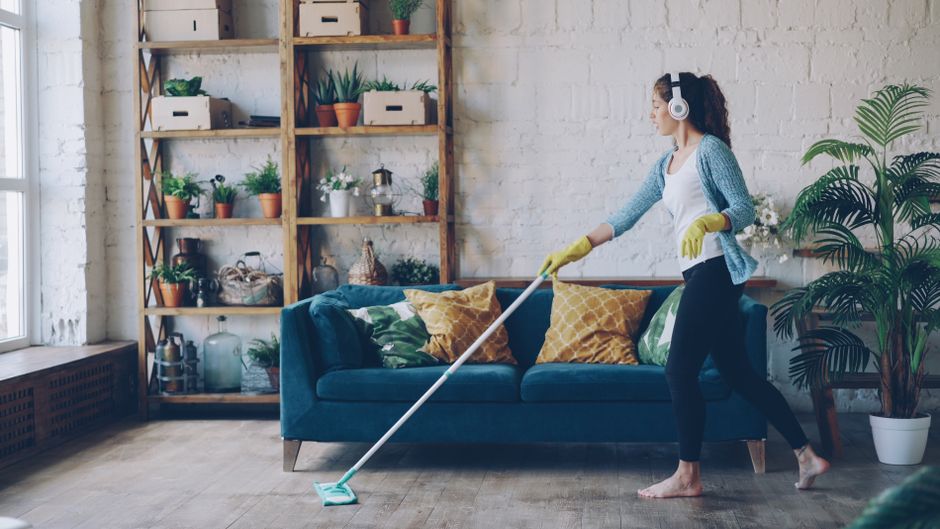
Spring cleaning Hounslow 2026 checklist for busy homes
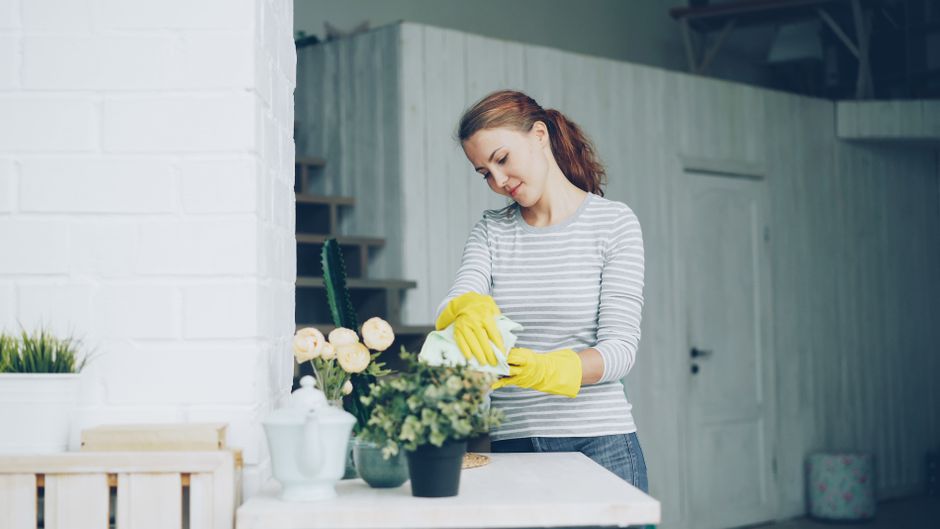
If your home in Hounslow feels like it has survived winter on autopilot, you are not alone. Spring cleaning Hounslow 2026 checklist for busy homes is really about one thing: getting the important jobs done without turning your whole month upside down. That means a clear plan, the right order, and a realistic approach for busy households where school runs, work, commuting, and everyday life do not politely wait in the hallway.
In this guide, you will find a practical, room-by-room checklist, time-saving methods, common mistakes to avoid, and a few local-minded tips that make sense for homes across Hounslow, from compact flats to family houses. Let's face it, most people do not need a dramatic overhaul. They need a spring clean that actually fits into real life.
Use this as a working checklist, not a perfection test. A good spring clean should leave your home lighter, fresher, and easier to manage. Not exhausted.
Why Spring cleaning Hounslow 2026 checklist for busy homes Matters
Spring cleaning is not just about a tidy house for the sake of appearances. In a busy home, clutter and neglected chores quietly build up. Dust collects behind furniture, kitchen grease settles on high-touch surfaces, windows start looking dull, and storage areas become a bit of a mystery zone. You know the one: the drawer you keep meaning to sort out, but somehow never do.
A structured spring cleaning checklist matters because it turns a vague "we should really clean properly" into a manageable plan. That is especially useful in Hounslow, where many homes are shared by families, flatmates, shift workers, or people balancing long commutes and irregular schedules. When time is tight, structure is everything.
There is also a practical side. A proper spring clean can help you spot issues early, like damp marks, worn seals, blocked vents, staining on carpets, or areas that need repair before they become more expensive. In a London home, with changing weather and busy day-to-day routines, those little details add up quickly.
Key point: a spring clean is not just a tidy-up. It is a reset for the home you actually live in.
How Spring cleaning Hounslow 2026 checklist for busy homes Works
The easiest way to think about spring cleaning is as a sequence rather than a giant one-day event. You move from top to bottom, dry tasks before wet tasks, and low-traffic areas before the rooms that get used constantly. That keeps you from cleaning the same surface twice. Nobody wants to dust the skirting board only to kick dust onto it again five minutes later.
For busy homes, the best method is usually broken into three stages:
- Declutter first. Remove items that no longer belong in a room, sort waste, and make space before deep cleaning begins.
- Deep clean by zone. Work through each room or area in a clear order, rather than jumping around the house.
- Finish with maintenance. Replace essentials, restock supplies, and set a light routine so the clean lasts longer.
This approach works because it reduces decision fatigue. Instead of wondering what to do next, you simply follow the sequence. If you only have one hour, you still make progress. If you have half a day, you can go deeper. That flexibility is what makes the checklist useful in a real household.
For homes that need more than a surface tidy, a one-off clean or deep clean can be a sensible support option, especially if kitchens, bathrooms, or high-traffic rooms have built up layers of grime. If you are comparing service types, deep cleaning is usually the better fit when the home needs a full reset, while regular cleaning is better for keeping things under control afterwards.
Key Benefits and Practical Advantages
Busy households often notice the same few benefits when spring cleaning is done properly. The house feels fresher, yes, but the more useful gains are practical.
- Less visual clutter: Rooms look calmer and feel easier to use.
- Quicker everyday cleaning: Once deep grime is removed, weekly upkeep becomes much simpler.
- Better organisation: You can actually find things without opening three cupboards and giving up.
- Improved hygiene: High-touch zones, sinks, handles, and bathroom fittings get proper attention.
- Reduced stress: A cleaner environment tends to feel less mentally noisy.
- Better property care: Regular attention helps surfaces, flooring, and fixtures last longer.
There is also the practical comfort factor. A freshly cleaned home smells different. Not perfume-heavy, not fake-fresh, just cleaner. Windows let in more light. Carpets feel better underfoot. Kitchen counters stop looking permanently busy. Small things, but they matter.
For households with children, pets, or frequent visitors, the difference can be even more noticeable. Mud by the door, pet hair on the sofa, sticky fingerprints on the fridge handle, it all becomes easier to manage once the base layers are dealt with.
Who This Is For and When It Makes Sense
This checklist is for anyone living in a busy home who wants a structured spring clean without wasting time. That includes families, shared houses, couples with demanding schedules, renters preparing for inspections, homeowners getting ready for guests, and people who simply feel behind after winter. Truth be told, that is most of us at some point.
It makes sense to use this checklist when:
- you have not done a thorough clean since autumn or winter;
- the home feels cluttered but not quite messy enough to know where to start;
- you want to freshen up before hosting people;
- you are moving out, moving in, or changing routines;
- you have allergies, pet hair, or recurring dust issues;
- you want to hand over a clearer home to cleaners or help them work more efficiently.
If you are preparing a rental property or sorting a flat between tenancies, spring cleaning often overlaps with move-related cleaning and can benefit from more targeted services like move-out cleaning or end-of-tenancy cleaning. The difference is mainly in the level of detail and the expectations around presentation. A normal spring clean is about living comfortably; an end-of-tenancy clean is about handing the property over in a much more exacting state.
If you are in a home with limited time and limited storage, the checklist is even more valuable. It keeps the whole process from becoming one of those "we started in the kitchen and somehow ended up with a pile in the bedroom" situations. Happens all the time.
Step-by-Step Guidance
The best spring cleaning plan for a busy home is simple, realistic, and repeatable. Here is a practical way to do it without overcomplicating things.
1. Start with a reset, not a scrub
Before any cleaning spray comes out, walk through the home with a basket or bag and remove obvious clutter. Put items back where they belong, collect laundry, recycle old papers, and clear flat surfaces. Cleaning around clutter is slow and frustrating.
Be honest here. If a surface is covered, clean it after you clear it. Not before.
2. Work room by room
Pick one room and finish it before moving on. For most homes, the logical order is:
- hallway or entrance
- kitchen
- bathroom
- living room
- bedrooms
- utility or storage spaces
This order helps because the entrance and kitchen create the biggest sense of immediate improvement. Once those are done, the rest of the house feels more manageable.
3. Clean from top to bottom
Dust ceiling corners, light fittings, shelves, picture frames, and high surfaces first. Then move to tables, counters, skirting boards, and finally the floor. If you vacuum before dusting shelves, you are giving yourself extra work. No prize for that.
4. Focus on the hard-working areas
Busy homes usually need more attention in a few specific places:
- Kitchen: cabinet fronts, splashbacks, handles, hob, sink, bins, under appliances, and inside the fridge.
- Bathroom: taps, tiles, grout, mirrors, shower screens, drains, extractor areas, and limescale-prone spots.
- Bedrooms: under the bed, mattress edges, wardrobes, bedside tables, and windowsills.
- Living areas: sofas, cushions, rugs, skirting boards, electronics, and windows.
- Hallways: doors, switches, shoe storage, and entry mats.
5. Handle fabrics and soft furnishings
Soft surfaces trap dust, smells, and pet hair more than people realise. A strong spring clean often includes curtains, upholstery, rugs, mattresses, and throws. If the fabric smells stale or looks tired, that is usually where the issue lives, not the floor.
For deeper treatment, services like upholstery cleaning, sofa cleaning, rug cleaning, and mattress cleaning can make a noticeable difference. If pets are part of the household, pet stain and odour removal may be the most practical place to start.
6. Finish with floors and final checks
Vacuum thoroughly, mop where suitable, check corners, and look at the room from the doorway. That last glance matters more than people think. You will notice the bits your hands missed: one streak on the mirror, dust behind the bin, the sock that somehow escaped the laundry pile. Small, yes. But useful.
Expert Tips for Better Results
A few small habits can make a spring clean faster and more effective. They are the kind of things you only really learn by doing, or by watching someone else do the same job badly first.
- Use a timer. Twenty minutes of focused work is often better than a vague afternoon of drifting from room to room.
- Keep two bags or boxes. One for charity or recycling, one for items that belong elsewhere in the home.
- Choose the right cloths. Microfibre is useful for dusting and polishing because it grabs fine debris instead of pushing it around.
- Don't deep clean everything at once. Target the areas that make the biggest difference first.
- Open windows where weather allows. A bit of airflow helps clear stale smells and drying time. Even ten minutes can help.
- Test products carefully. Especially on wood, stone, upholstery, and delicate finishes. A quick patch test can save a lot of regret.
One simple expert habit is to clean the "touch points" twice during a spring clean: once near the start, and again right at the end. Light switches, handles, taps, remote controls, and bannisters collect more grime than people expect. They make a room feel clean, or not clean, very quickly.
If your home has a mix of surfaces, matching the cleaning method to the material matters. For example, hard floors need a different approach from carpeted rooms, and natural stone needs more caution than laminate. Services such as hard floor cleaning, carpet cleaning, and steam carpet cleaning are useful references if you need deeper support than a standard weekly clean provides.
Common Mistakes to Avoid
Spring cleaning can go wrong in small, annoying ways. Usually not disastrous, just inefficient. The good news is most mistakes are easy to avoid once you know what to look for.
- Trying to do everything in one day: ambitious, yes. Realistic for a busy household? Usually no.
- Cleaning before decluttering: it slows you down and makes results look patchy.
- Using the wrong product on the wrong surface: especially on upholstery, stone, and electronics.
- Ignoring hidden areas: behind sofas, under beds, behind bins, and inside appliance edges.
- Forgetting to ventilate: strong cleaning smells and damp surfaces can linger if the air stays still.
- Skipping the final reset: clean items returned to messy places just recreates the same problem.
Another common issue is over-focusing on visible surfaces and missing the practical stuff. A sparkling kitchen top means less if the oven is baked with residue, the fridge seal is grimy, or the bin area still smells. Same with bathrooms. Shiny mirrors are nice, but limescale and mould-prone edges need the real attention.
If a job feels bigger than your time or equipment allows, it is smarter to narrow the scope or ask for help. No need to turn a spring clean into a weekend of silent suffering.
Tools, Resources and Recommendations
You do not need a mountain of gear. A compact, sensible kit is usually enough for most busy homes.
Basic spring cleaning kit
- microfibre cloths
- vacuum cleaner with attachments
- mop and bucket or a spray mop
- all-purpose cleaner suitable for your surfaces
- glass cleaner
- bathroom cleaner
- degreaser for the kitchen
- scrubbing brush and grout brush
- sponges and disposable gloves
- laundry basket or sorting boxes
- bin bags for waste and recycling
Useful add-on services
Depending on your home, a few specialist services can support the checklist rather than replace it. For example, oven cleaning is one of those jobs that many people postpone for far too long, then suddenly realise it is swallowing time and effort during the spring reset. window cleaning can also make a big visual difference, especially after winter has left everything looking a bit grey and flat.
Some households also benefit from house cleaning or one-off cleaning if they want a strong reset without managing every detail themselves. If you are balancing work, family, or caring responsibilities, that can be a practical decision rather than a luxury one.
If the outside areas are part of the picture, patio edges, gutters, and exterior surfaces may also need attention after winter weather. A clean inside often looks better when the outside is not dragging it down. Little things, but they stack up.
Law, Compliance, Standards, or Best Practice
For a home spring clean, there is usually no complicated legal process to worry about. Still, a few best-practice points matter, especially if you are using cleaning products, disposing of waste, or hiring help.
In the UK, it is sensible to follow product instructions carefully, ventilate rooms when needed, and keep chemicals away from children and pets. Do not mix cleaning products unless the label explicitly says it is safe. That sounds obvious, yet it is one of those things people sometimes rush past when trying to be efficient.
If you are disposing of a large amount of waste, old items, or leftover materials after decluttering, it is worth checking local disposal expectations and using proper recycling channels where possible. For more detail on the wider topic, the site's recycling and sustainability page is a useful reference point. If the clean is part of a bigger property handover or clearance job, then the related house clearance service may be relevant too.
When paying for cleaning, good practice also includes clear pricing, clear scope, and clear expectations. If you are comparing options, reading the provider's pricing and quotes information first can help you avoid misunderstandings later. And yes, that is the sort of boring admin that saves people annoyance later on. Very unglamorous, very useful.
For service trust, look for straightforward policies around safety, insurance, payments, and complaints. Those are not exciting topics, but they are part of a professional setup. A reputable provider should make these things easy to find and understand.
Options, Methods, or Comparison Table
Not every spring clean needs the same level of input. The right method depends on time, household size, condition, and whether you want to do it yourself or bring in support. Here is a simple comparison to help you choose.
| Method | Best for | Typical strengths | Limitations |
|---|---|---|---|
| DIY spring clean | Small homes, light buildup, flexible schedules | Low cost, full control, can be done in stages | Time-consuming, easy to miss hidden areas |
| One-off professional clean | Busy homes needing a reset | Fast progress, more detailed finish, less stress | Higher upfront cost than DIY |
| Deep clean service | Homes with heavy buildup, kitchens, bathrooms, neglected spaces | Targets grime, limescale, hard-to-reach areas | May not cover every personal organising task |
| Regular cleaning plus spring reset | Busy families, long-term maintenance | Keeps standards higher all year | Requires ongoing scheduling |
In practice, many households mix methods. For example, a family might declutter and sort rooms themselves, then book targeted support for bathrooms, ovens, carpets, or upholstery. That tends to be the sweet spot when time is short and standards still matter.
If you need more than a seasonal refresh, then combining spring cleaning with one-off cleaning or domestic cleaning can be more efficient than trying to handle everything alone. Different homes, different needs. Simple as that.
Case Study or Real-World Example
Imagine a typical Hounslow household: two adults working different hours, one child, a dog, and a kitchen that somehow collects crumbs by the minute. The home is not dirty, exactly. It is just constantly in use. By early spring, the hallway has shoe clutter, the sofa holds pet hair, and the bathroom needs more than a quick wipe.
Instead of attempting a full-blown all-day clean, the household uses a split plan over two evenings and one Saturday morning.
- Evening one: declutter the hallway, living room, and kitchen counters.
- Evening two: wipe kitchen fronts, clean bathroom surfaces, empty fridge shelves, and sort laundry.
- Saturday: vacuum thoroughly, steam-clean carpets in the main living area, clean windows, and refresh soft furnishings.
The result is not a magazine-perfect home. It does not need to be. But it feels lighter, the air smells cleaner, and the daily routine becomes easier because everything has a place again. The dog still sheds, of course. That part never changes. But the house is much easier to keep on top of, which is the actual goal.
This kind of staged approach works well because it respects real-life limits. No drama. Just better results.
Practical Checklist
Use this checklist as a quick spring clean plan for busy homes in Hounslow. Tick off what applies, ignore what does not, and keep it realistic.
Whole-home checklist
- Declutter each room before cleaning
- Sort recycling, rubbish, and items to donate
- Dust top surfaces, shelves, frames, and fittings
- Wipe skirting boards, doors, handles, and switches
- Vacuum under and behind movable furniture
- Clean floors properly, not just the middle of the room
- Air rooms out where possible
- Check for stains, mould, or damage
Kitchen checklist
- Clean cupboard fronts and handles
- Degrease hob, splashback, and extractor area
- Wipe fridge shelves and seals
- Clean sink, tap, and draining area
- Empty and sanitise bins
- Clean inside the oven if needed or arrange support
- Wipe small appliances, backsplash, and worktops
Bathroom checklist
- Descale taps and shower fittings
- Clean toilet thoroughly, including base and hidden edges
- Scrub tiles, grout, and screen tracks
- Polish mirror and glass
- Check extractor vents or fan covers
- Wash bins, toothbrush holders, and soap dishes
Bedroom and living area checklist
- Change and wash bedding
- Vacuum mattress edges and under the bed
- Dust bedside tables, lamps, and shelving
- Clean sofa cushions and vacuum upholstery
- Refresh curtains or blinds where needed
- Remove clutter from wardrobes, drawers, and corners
Finish-up checklist
- Return items to their proper places
- Put away cleaning products safely
- Open windows for a final air-out
- Replace any missing supplies
- Set a light maintenance routine for the next four weeks
Expert summary: the best spring clean is the one you can actually finish. A clear plan, a realistic pace, and a focused order of work will beat a frantic all-day scramble almost every time.
Conclusion
Spring cleaning Hounslow 2026 checklist for busy homes is not about making life harder. It is about making the home easier to live in, one sensible step at a time. When you work room by room, clear clutter first, and focus on the areas that matter most, the whole process becomes much more manageable. A busy home can still feel fresh, organised, and comfortable without needing a perfect weekend or endless energy.
And if you only tackle part of the list? That still counts. A cleaned kitchen, a fresher bathroom, or a proper reset of the main living space can change how the home feels straight away. Small wins are still wins.
Get a free quote today and see how much you can save.
However you approach it, a proper spring clean gives the whole house a better rhythm. That is the real payoff. Not perfection, just a home that feels lighter and easier to breathe in.
Frequently Asked Questions
What is the best way to start a spring clean in a busy home?
Start by decluttering. Remove obvious rubbish, put items back where they belong, and clear flat surfaces before you clean. This saves time and makes the rest of the job feel much more manageable.
How long should a spring clean take?
It depends on the size and condition of the home. A light spring clean may take a few hours, while a deeper reset across several rooms can take a full day or be spread over multiple sessions. For busy households, splitting it up is usually the smarter choice.
Do I need professional help for spring cleaning?
Not always. If the home is only lightly cluttered, DIY cleaning can work well. But if you are short on time, facing heavy buildup, or want a deeper finish, professional support can save a lot of effort.
What areas are most important in a spring cleaning checklist?
The kitchen, bathroom, floors, windows, soft furnishings, and hidden dust-prone areas are usually the highest priority. Those are the places that most affect how clean a home looks and feels.
How is spring cleaning different from regular cleaning?
Regular cleaning keeps things ticking over week to week. Spring cleaning is deeper and more detailed. It targets areas that are often skipped during normal routines, like behind appliances, under furniture, and inside storage spaces.
What should I clean first in the kitchen?
Start with decluttering counters, then clean cabinet fronts, handles, worktops, sinks, and high-grease areas like the hob and splashback. If the oven is overdue, that is often worth tackling or outsourcing early.
How do I make spring cleaning easier with children or pets around?
Work in short bursts, keep tools and products out of reach, and focus on one zone at a time. For pet households, fabrics, rugs, and sofas usually need extra attention because hair and odours build up quickly.
Are there any safety issues I should watch out for?
Yes. Use cleaning products as directed, keep rooms ventilated, and avoid mixing chemicals. If you are moving heavy furniture or using ladders, take extra care and do not rush. A quick job is not worth a strained back.
Should I clean carpets and upholstery as part of spring cleaning?
Absolutely, if they are looking tired or holding dust and odours. Carpets, sofas, rugs, and mattresses all affect how fresh a home feels. Even one thorough clean can make a noticeable difference.
What if I only have one day to do it?
Focus on the rooms that matter most: kitchen, bathroom, hallway, and main living area. Do the visible and high-use spaces first. That way, even if you do not finish everything, the home still feels dramatically better.
How often should I do a deep spring-style clean?
Most homes benefit from a deeper reset once or twice a year, with lighter maintenance in between. Some busy households prefer to do a major clean each spring and then a smaller autumn refresh later on.
Can a spring clean help with allergies?
It may help by reducing dust, pet hair, and build-up on soft furnishings and surfaces. That said, if allergies are severe or persistent, it is best to treat cleaning as one part of a wider management plan.
How do I stop my home getting messy again so quickly?
Keep the maintenance simple. Put things back straight away, do short weekly resets, and avoid letting clutter pile up in the same spots. A few small habits often matter more than one huge clean.
What is the smartest place to spend money if I hire help?
For many homes, kitchens, bathrooms, ovens, carpets, and upholstery give the biggest return. Those are the areas that change the feel of the house fastest, so they are usually the most worthwhile places to start.